Why Do We Sometimes Feel Like We’ve Lived a Moment Before? (Déjà vu)
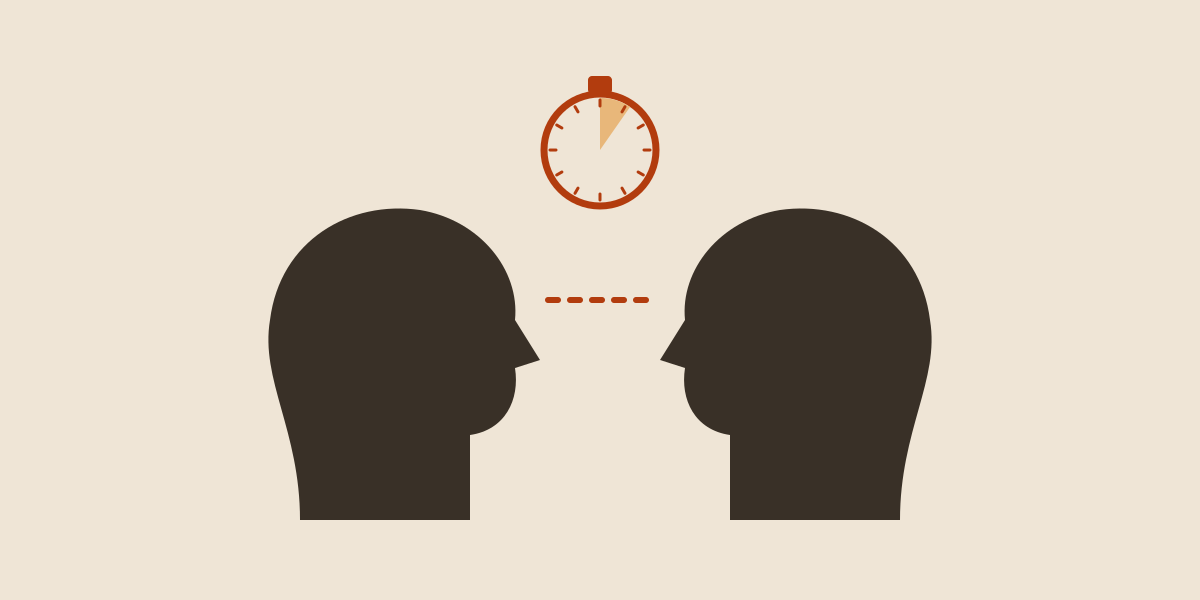
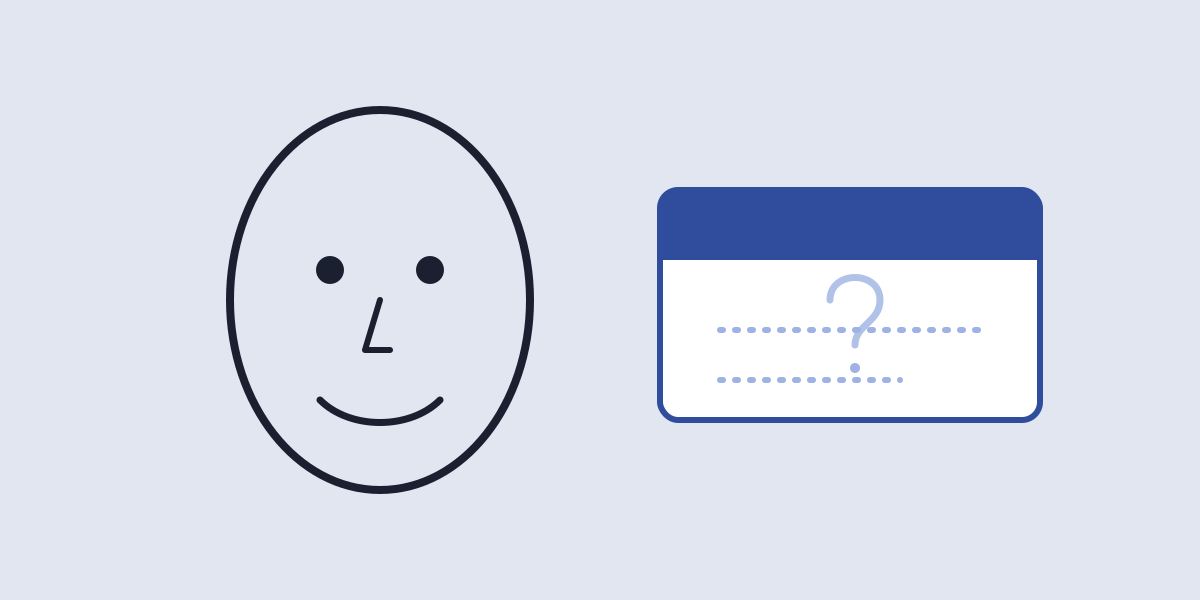
Déjà vu is a brief, eerie sense of having lived a moment before. Here is what memory research and brain recordings suggest is going on.

Déjà vu is a brief, eerie sense of having lived a moment before. Here is what memory research and brain recordings suggest is going on.
Some people let go of a hurt quickly while others hold on for years. What psychology and brain research suggest shapes the ability to forgive.
A buzz, a ping, a banner. What experiments show about how notifications pull at attention, how big the effects are, and what is still unknown.
You studied, then went blank in the exam hall. How stress hormones and anxious thoughts can interfere with recall, and what the evidence says about fixes.
Does time really speed up with age? What studies of the past decade, everyday moments and memory show, and which explanations still compete.
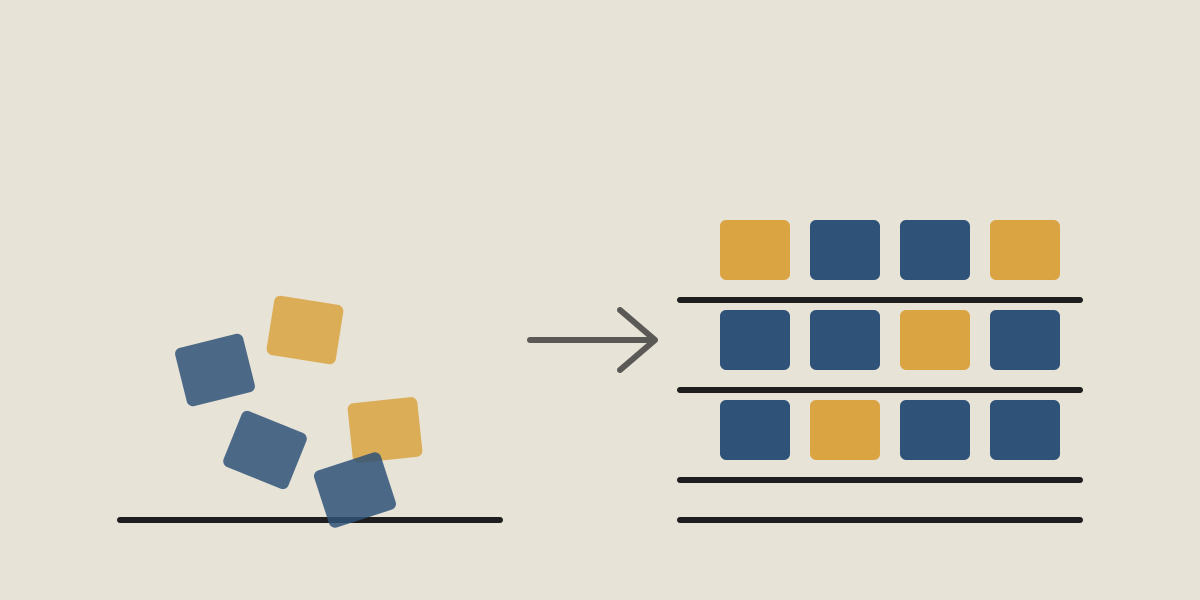
A deep dive into the neuroscience of order, habit, and mental clarity.
How the brain forms judgments about strangers from a glimpse of a face, why those judgments are fast and widely shared, and why fast does not mean accurate.
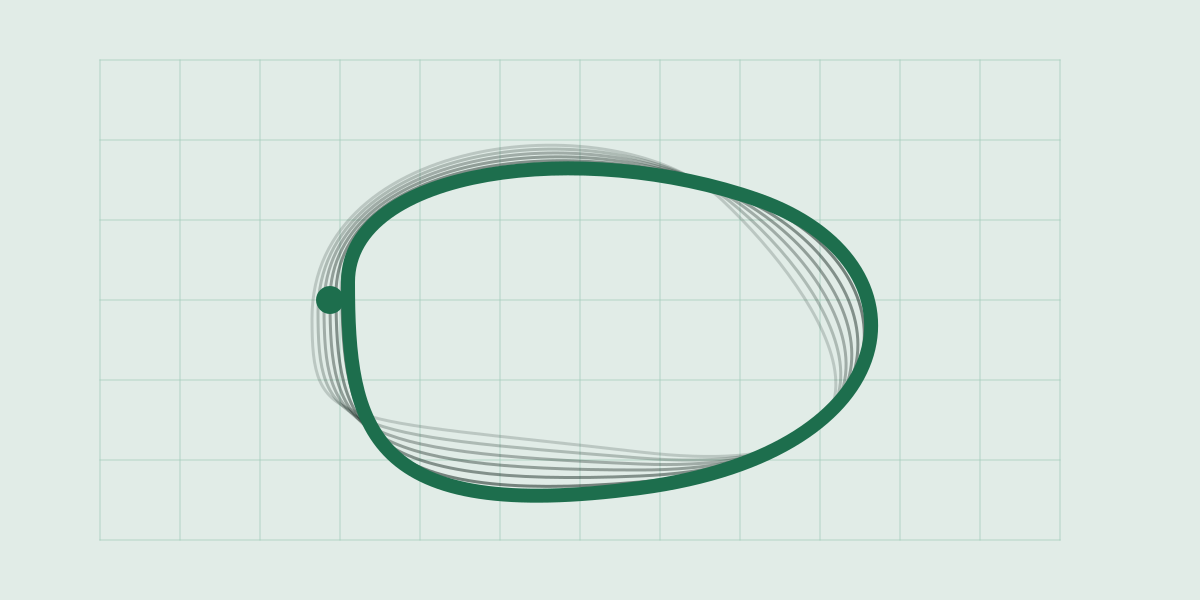
Why repeated actions slip out of conscious control, what brain circuits seem to be involved, and why forming or breaking a habit takes longer than we expect.
Endless short videos have sparked worried headlines. What brain research can and cannot yet say about TikTok, social media and the teenage brain.
Heartbreak can feel physical, consuming and slow to fade. Here is what brain-imaging studies of recent breakups suggest, and where the evidence stops.
Why awkward moments resurface as you try to sleep: emotional memory, a wandering mind, and what research says about rumination and sleep.
Why laughter can burst out in serious moments, what brain systems drive and hold back a laugh, and when uncontrollable laughter may be a medical issue.
Feeling drained by screens is common, but digital burnout is not a diagnosis. What burnout really means, what stress does to the brain, and what may help.
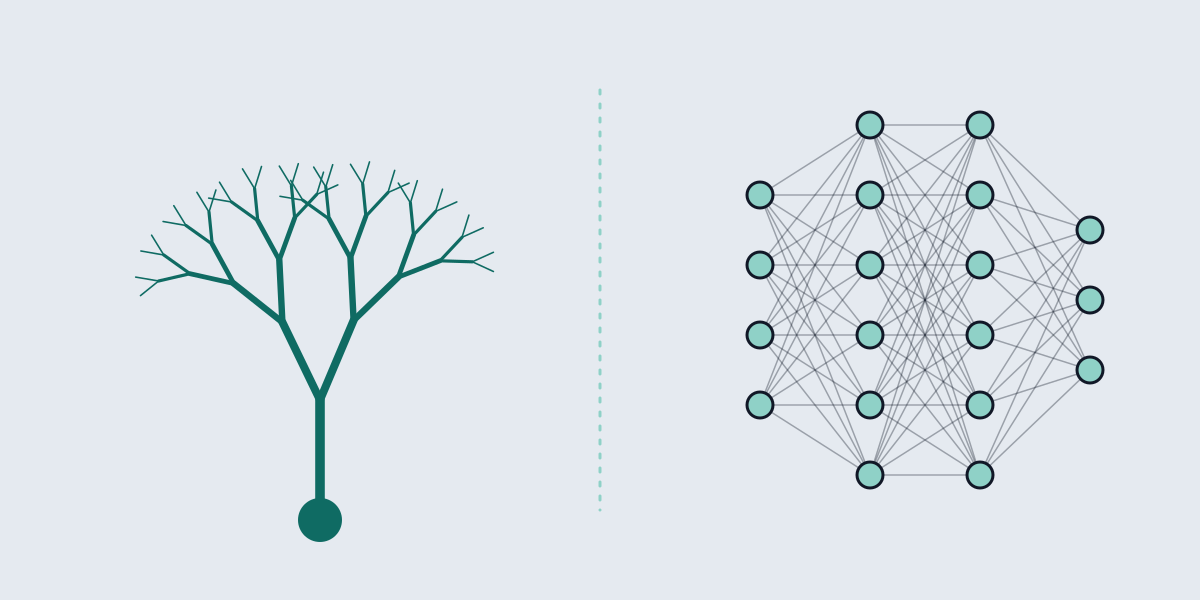
Artificial neural networks borrowed ideas from neurons. Where they genuinely resemble brain activity, where they differ sharply, and what is still debated.
Jealousy can flare up in seconds when a bond feels threatened. What studies in people, monkeys and even dogs suggest about where it comes from.
Memory is rebuilt each time you recall it, not replayed like a video. Here is why false memories are normal, and what research shows about how they form.
Prioritize your brain health: why neurological health matters at every age, and how sleep, movement and nutrition can support your brain and well-being.
Expectations can produce real symptoms. What nocebo research and studies of functional disorders show about how the brain shapes what the body feels.
When someone moves away, leaves or dies, the missing can feel physical. What research on bonding, stress and the brain's predictions suggests is going on.
From a child narrating a puzzle to an athlete muttering “focus,” what inner speech and self-talk are, what the brain is doing, and what studies show.
You know the face, you know where you met, but the name won't come. Here is what research on face recognition and name recall says about why.
Being left out can hurt in a way that feels almost physical. What brain research shows about the overlap between rejection and pain, and the debate over it.
What happens in the brain and body during musical chills, what the reward-system research shows, and why some people get them often while others rarely do.
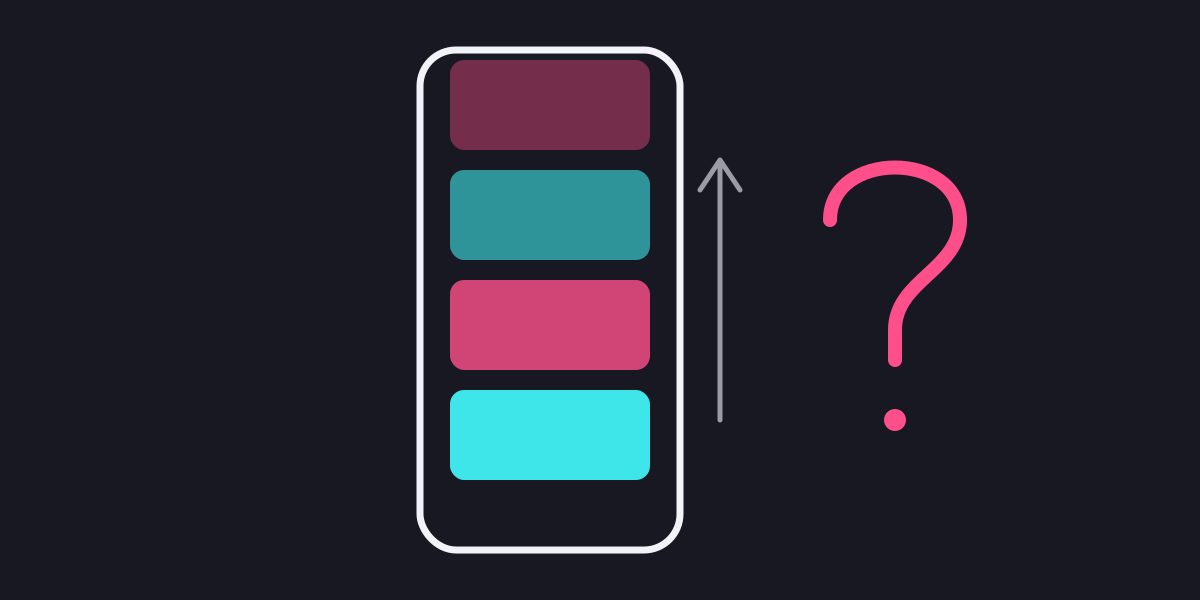
It is late, the news is grim, and your thumb keeps moving. How the brain's reward and threat systems may keep us scrolling, and what the evidence really shows.
Why do some people become 'your people' while others stay acquaintances? What research on reward, bonding hormones and shared perception suggests.
A whiff of a familiar scent can pull you straight back to childhood. Here is what smell's wiring to memory and emotion centers may explain, and what it can't.
Overthinking is not a clinical term, but research on rumination and worry shows when repetitive thought helps, when it hurts, and what the brain may be doing.
No articles match your search. Try a shorter word, such as "memory" or "sleep".