Prioritize Your Brain Health
Dhriti Chhabra
3 min read
When we think about staying healthy, most of us picture balanced meals, morning runs, or keeping our hearts in good shape. But what about the organ that powers all of it—our brain? Neurological health, which encompasses the well-being of your brain, spinal cord, and nerves, is often overlooked until problems arise. Yet, it’s the cornerstone of how we think, move, feel, and live.Write your text here...
The silent engine behind everything you do your nervous system controls every aspect of your existence, from breathing and walking to memory, emotion, and creativity. When it’s healthy, everything else functions smoothly. But when it’s neglected, even simple tasks can become a struggle.
According to the World Health Organization, neurological conditions are now the leading cause of disability worldwide, surpassing even heart disease and cancer. This includes common disorders like stroke, dementia, and migraines, affecting millions globally. Many of these conditions develop quietly over years, making early awareness and prevention essential.
Why Neurological Health Matters at Every Age Neurological wellness isn’t just for older adults worried about memory loss. It’s relevant throughout life:
Children and teens need proper nutrition and education to support brain development. Adults face stress, poor sleep, and digital overload—all of which can harm cognitive and emotional balance.
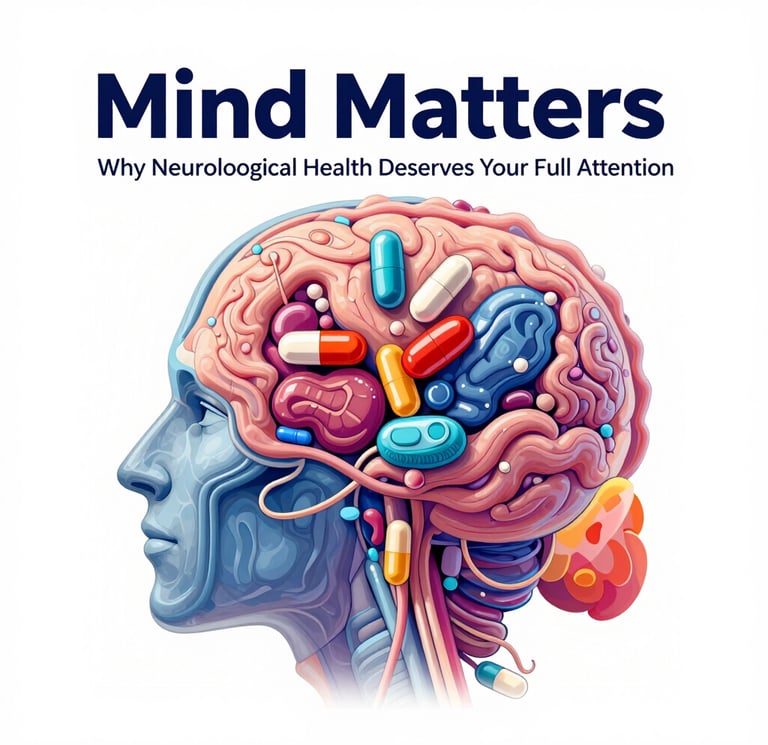
Older adults are more vulnerable to neurodegenerative diseases like Alzheimer’s and Parkinson’s. Every stage of life presents unique neurological challenges, but the underlying truth remains: your brain health affects everything—from how you think to how you connect with others.
The Core Pillars of a Healthy Brain Experts highlight several key areas that protect and enhance neurological function:
Quality Sleep: During deep sleep, the brain clears toxins and forms lasting memories.
Movement: Regular exercise boosts blood flow, supports neuroplasticity (your brain’s ability to adapt), and keeps your mind sharp.
Balanced Nutrition: Foods rich in omega‑3 fatty acids, antioxidants, and vitamins feed your brain and reduce inflammation.
Stress Management: Chronic stress disrupts brain chemistry, leading to fatigue and mood issues.
Lifelong Learning: Mental challenges—learning languages, solving puzzles, reading—stimulate new neural pathways.
Social Connection: Emotional bonds lower stress hormones and protect against cognitive decline.
These aren’t luxuries; they’re daily investments in your cognitive resilience.
Prevention Is Power








Neurological diseases like dementia or Parkinson’s often begin decades before symptoms appear. Research increasingly shows that lifestyle choices now determine your brain’s vitality later.
Deep sleep, regular movement, and anti-inflammatory nutrition can help delay or even prevent neurodegeneration.
The good news? It’s rarely too late to act. Proactive steps—like managing blood pressure, avoiding smoking, and limiting exposure to environmental toxins—can cut your risk dramatically.
A Holistic Approach: NeuroWellness
“NeuroWellness” emphasizes balancing the nervous system and supporting long-term brain resilience. It’s not just about preventing disease—it’s about feeling sharper, calmer, and more present in everyday life. Practices like slow breathing, mindful breaks, and recovery time in quiet environments can help your nervous system reset, improving focus and mood.
Conclusion: The Takeaway
Your brain is the control center of everything you are—it’s worth protecting with intention and consistency. Think of neurological health as the engine oil of your body’s entire system: neglect it, and performance slowly declines; nurture it, and you extend not just your lifespan but your mindspan.
The future of health is not just about living longer but living clearer. Start today: sleep deeply, move often, feed your brain, nurture peace, and keep learning. Because when your brain thrives, so do you.